
Buying your first home in Okotoks is exciting. You find the house, fall in love with the kitchen, mentally place your furniture in the living room… and then someone starts talking about closing costs.
Suddenly, that “I can afford the mortgage” feeling gets a little less confident.
The down payment is only one part of the money you need to have available when buying a home. If you're a first-time home buyer in Okotoks, here are 12 costs you should budget for before you start making offers.
1. Your Down Payment
Obviously, this is the big one.
For homes priced at $500,000 or less, the minimum down payment is generally 5%. For homes between $500,000 and $1.5 million, it's 5% on the first $500,000 plus 10% on the portion above $500,000.
For example:
$500,000 home = $25,000 minimum down payment
$600,000 home = $35,000 minimum down payment
$700,000 home = $45,000 minimum down payment
$800,000 home = $55,000 minimum down payment
But remember: minimum doesn't necessarily mean ideal. You also need money for everything that comes after you get the keys.
2. Deposit
Your deposit is different from your down payment, although it usually forms part of your total down payment at closing.
In Okotoks, a deposit is typically provided shortly after your offer is accepted, according to the terms of your purchase contract.
Translation: don't wait until you have an accepted offer to start wondering where the deposit money is coming from.
3. Home Inspection
Unless you're buying a property with a very specific strategy and know exactly what you're doing, a home inspection is money well spent.
Depending on the property and inspection company, expect to budget several hundred dollars.
Think of it as paying someone to help you discover whether that “charming character” is actually a $15,000 repair project wearing a cute outfit.
4. Appraisal
Your lender may require an appraisal to confirm the property's value.
Sometimes the lender covers the cost. Sometimes the buyer does. If you're responsible, budget for a few hundred dollars.
It's another reason not to spend every available dollar on your down payment.
5. Legal Fees
You'll need a real estate lawyer to handle the legal side of the purchase, including title registration, mortgage registration and other closing paperwork.
Legal fees vary depending on the lawyer, transaction and complexity of the purchase, so get a quote before closing day.
6. Land Title and Registration Fees
Buying a home means registering ownership and, if you're getting a mortgage, registering that mortgage as well.
Alberta's Land Titles fee schedule was updated effective May 1, 2026, so these costs can change over time.
Your lawyer can provide the exact amounts applicable to your transaction.
7. Property Tax Adjustments
Property taxes don't always line up perfectly with your possession date.
Depending on when you take possession and how the seller has already paid their taxes, there may be an adjustment on the statement of adjustments.
It's not necessarily an extra “tax bill” — it's about making sure the buyer and seller each pay their appropriate share.
8. Home Insurance
Your lender will generally require proof of home insurance before the mortgage funds.
You'll want coverage in place before possession, so get insurance quotes early rather than waiting until the day before you get the keys.
And yes, the house may be yours now — but unfortunately, so are the bills.
9. Mortgage Default Insurance
If you put less than 20% down, you will generally need mortgage loan insurance.
The premium is typically added to the mortgage rather than paid entirely upfront, but it still increases the amount you borrow and therefore affects your monthly payments.
Your mortgage professional can calculate the exact premium for your situation.
10. Moving Costs
Nobody talks about this one until they're standing in the driveway surrounded by 47 boxes labelled “miscellaneous.”
Moving costs can include movers, a truck rental, packing supplies, storage, cleaning and even takeout because your kitchen is currently buried under cardboard.
Budget for it.
11. Immediate Repairs, Furniture and Appliances
Your new home doesn't necessarily arrive fully furnished with the exact sofa, dining table and patio set you saw in your Pinterest board.
You may need curtains, appliances, light fixtures, paint, furniture or repairs shortly after possession.
The smart move is to keep a cash buffer rather than putting every available dollar into the purchase.
12. The “I Own a House Now” Fund
This one isn't technically a closing cost. It's just good advice.
Your furnace may decide to have a midlife crisis. The dishwasher may suddenly retire. The garage door may develop opinions.
Homeownership comes with ongoing costs such as utilities, maintenance, repairs, property taxes and insurance.
Having an emergency fund after closing can make the difference between “No problem, we'll take care of it” and “Does anyone know a good GoFundMe consultant?”
What About First-Time Buyer Programs?
This is where things get interesting.
If you're eligible, the First Home Savings Account can help you save for a qualifying first home, with contributions generally deductible and qualifying withdrawals tax-free.
The Home Buyers' Plan also currently allows eligible buyers to withdraw up to $60,000 from their RRSP to purchase or build a qualifying home.
And if you're buying a qualifying new home, you may also be eligible for the federal First-Time Home Buyers' GST/HST rebate. Eligible buyers can receive up to $50,000, depending on the home's value and the other eligibility requirements.
These programs can make a meaningful difference, but eligibility rules matter. Don't assume you qualify just because it's your first house.
So, How Much Cash Should You Actually Have?
There's no magic number that works for every Okotoks buyer.
A buyer purchasing a $500,000 resale home with a minimum down payment will have a very different cash requirement from someone purchasing a $700,000 new build with a larger down payment.
The goal isn't simply to save enough to get the keys.
The goal is to have enough money to comfortably own the home after you get the keys.
That means thinking about your down payment, closing costs, moving expenses, immediate purchases and an emergency fund.
The Bottom Line for First-Time Buyers in Okotoks
Buying your first home doesn't have to be overwhelming, but you do need to know what you're getting into financially.
The purchase price is only the headline.
The real number is the amount it takes to buy the home and still sleep comfortably after closing.
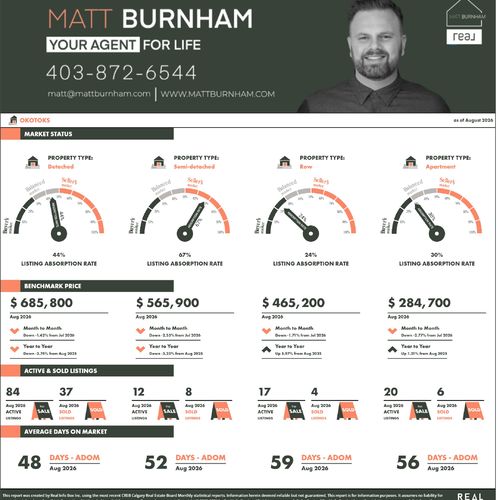
If you're looking at homes for sale in Okotoks, start with your complete budget — not just the maximum mortgage amount a lender says you can qualify for.
A good first-time home buyer strategy is about finding the right home at the right price while keeping enough financial breathing room for everything that comes after possession.
Because owning the house is the goal.
Not becoming best friends with your credit card.
Check out this article next