


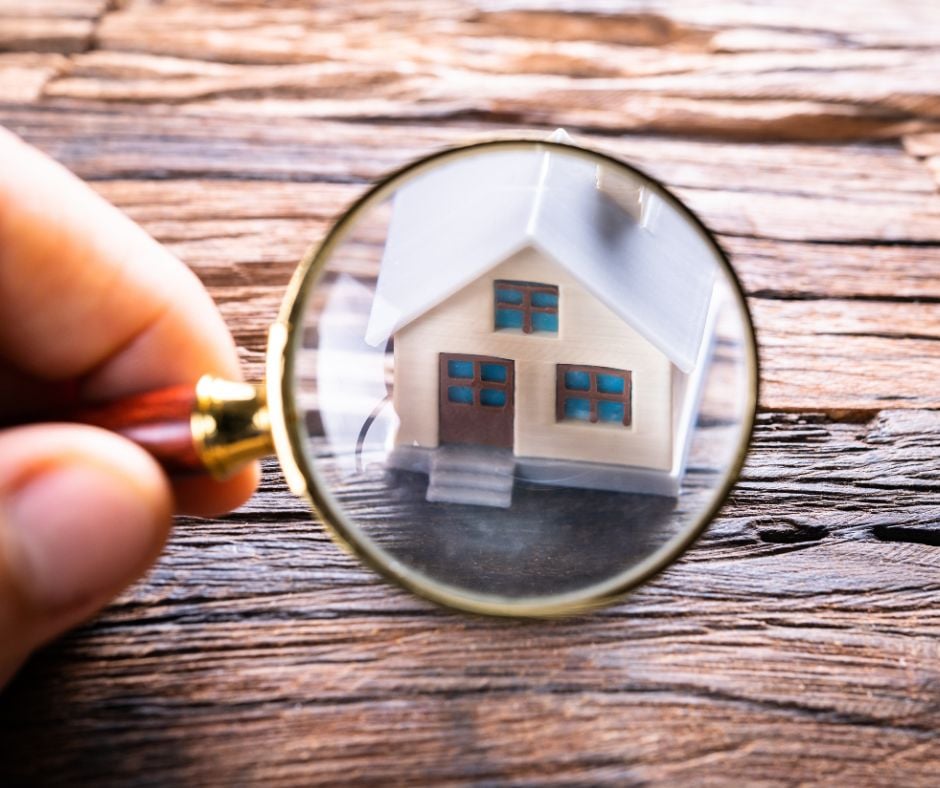
Buying a home is exciting.
Until the home inspector starts taking pictures of things you've never noticed before.
Suddenly you're hearing words like...
"Moisture intrusion."
"Foundation movement."
"Improper grading."
And you're standing there wondering if you've accidentally purchased a science experiment instead of a house.
Don't panic.
The purpose of a home inspection isn't to scare buyers away—it's to help you understand the condition of the home before you commit. Every home, even a brand-new one, will have an inspection report with notes. The trick is knowing which issues are minor and which ones deserve a closer look.
If you're shopping for homes for sale in Okotoks, here are the biggest home inspection red flags you should know.
Foundation Cracks
Not every crack in a foundation is cause for alarm.
Concrete naturally develops small hairline cracks as it cures and settles.
However, large horizontal cracks, stair-step cracks in foundation walls, significant shifting, or evidence of water entering through the foundation deserve further evaluation.
Foundation repairs can become one of the most expensive home repairs, so it's important to understand exactly what you're dealing with.
When in doubt, bring in a structural professional for a second opinion.
Water Damage and Moisture
Water is one of the biggest enemies of any home.
During an inspection, signs of moisture may include:
Water stains on ceilings
Damp basements
Musty odours
Mould or mildew
Peeling paint
Rotting wood
The visible stain is often only part of the story.
The bigger question is:
Where is the water coming from?
Fixing the source is far more important than repainting the ceiling.
Roof Problems
Replacing a roof isn't cheap.
Inspectors pay close attention to:
Missing or damaged shingles
Sagging rooflines
Flashing around chimneys and vents
Signs of leaks in the attic
Excessive wear
Even if a roof isn't leaking today, an aging roof should be factored into your future budget.
Knowing its approximate age helps buyers plan ahead.
Electrical Issues
Electrical systems should always be taken seriously.
Common inspection concerns include:
Outdated electrical panels
Aluminum wiring (in some homes)
Double-tapped breakers
Exposed wiring
Improper DIY electrical work
Missing GFCI outlets near water
Electrical deficiencies can create safety concerns and may require upgrades by a licensed electrician.
Plumbing Problems
Leaky pipes aren't the only concern.
Inspectors also look for:
Low water pressure
Active leaks
Corroded pipes
Poor drainage
Older plumbing materials
Water heater condition
Small plumbing repairs are common.
Major plumbing replacements can become much more expensive.
Furnace and Air Conditioning
Heating and cooling systems eventually wear out.
During the inspection, buyers should understand:
Approximate age
Maintenance history
Overall condition
Signs of wear
Whether the system is operating properly
A furnace nearing the end of its lifespan isn't necessarily a deal breaker—but it is something you'll want to budget for.
Poor Drainage Around the Home
Believe it or not...
What happens outside the home can affect everything inside.
If the ground slopes toward the foundation instead of away from it, rainwater can collect around the home and increase the risk of basement moisture or foundation issues.
Proper grading helps protect the home over the long term.
Attic Problems
Most buyers never spend much time thinking about the attic.
Your home inspector definitely will.
They'll check for:
Proper insulation
Ventilation
Roof leaks
Signs of pests
Mould
Structural concerns
A healthy attic helps improve energy efficiency and protects the roof structure.
Signs of DIY Renovations
We all appreciate a homeowner who's handy.
Sometimes...
Maybe a little too handy.
Inspectors often spot renovations that weren't completed professionally.
Examples include:
Improper electrical wiring
Unsupported walls
Plumbing modifications
Poor flooring installation
Incomplete permits where required
Not every DIY project is problematic, but poor workmanship can create future expenses.
Pest Damage
No buyer wants unexpected roommates.
Inspectors look for evidence of:
Rodents
Birds
Carpenter ants
Wasps
Wood damage caused by pests
Addressing pest issues early helps prevent more expensive repairs later.
Remember: No Home Is Perfect
Here's something every buyer should know.
Even a beautiful, well-maintained home will have items listed in the inspection report.
Loose door handles.
Minor caulking.
Paint touch-ups.
Small maintenance items.
That's normal.
The goal isn't finding a perfect house.
It's understanding the condition of the home so you can make an informed decision.
Don't Be Afraid to Ask Questions
A home inspection is one of the best opportunities you'll have to learn about the property.
Ask your inspector questions.
Understand which repairs are urgent and which ones are routine maintenance.
Your Realtor can also help you determine whether it's appropriate to negotiate repairs, request credits, or simply move forward with confidence.
Knowledge is one of the best tools a buyer can have.
A home inspection isn't designed to kill a deal.
It's designed to protect you.
By understanding the difference between normal home maintenance and serious structural concerns, you'll make smarter buying decisions and avoid costly surprises after possession.
As your Top Okotoks Realtor, I help buyers understand inspection reports, navigate negotiations, and determine which issues deserve attention—and which ones are simply part of owning a home.
Because buying with confidence starts with knowing exactly what you're buying.
And that's always worth the inspection.
Check out this article next